12 November 2026
What to Check Before You Buy Nicotine E-Liquid in the UK
Presented by @theflavourshelf
Buying nicotine e-liquid in the UK involves more than just picking a flavour you like. The regulations here are among the strictest in the world, and they exist for good reason: consumer safety. Whether you are new to vaping or just switching brands, it pays to know what the rules require and what they mean for the product you end up with. This article runs through the main points to check before you hand over your money, so you can be sure what you are getting is legal, safe, and suitable for your setup.
Age Restriction: The First and Most Important Check
The legal age to buy nicotine e-liquid in the UK is 18. That applies to in-store purchases and online orders. Sellers must verify your age by law, and most reputable sites will ask for proof of age before they dispatch anything. If a shop or website does not check, that is a red flag. The rule is enforced by trading standards, and penalties can be serious for businesses that ignore it. For the buyer, the main point is simple: if you are under 18, you cannot buy nicotine products legally. And if you are over 18, you should still expect to prove it when you order. nic salt reviews
Nicotine Strength and the Legal Limit
UK law sets a maximum nicotine strength of 20 mg/ml for any e-liquid sold within the country. That limit comes from the Tobacco Products Directive (TPD), which the UK retained after Brexit. Anything above that is not allowed for sale to consumers, so a bottle labelled 24 mg or 36 mg is either illegal or imported without proper notification. Stick to the legal range: 0 mg, 3 mg, 6 mg, 12 mg, 18 mg, and 20 mg are the common strengths. If you need a higher nicotine hit, you are better off looking at nic salts in a lower wattage device rather than chasing a strength that does not exist legally in the UK market.
The 10ml Bottle Rule
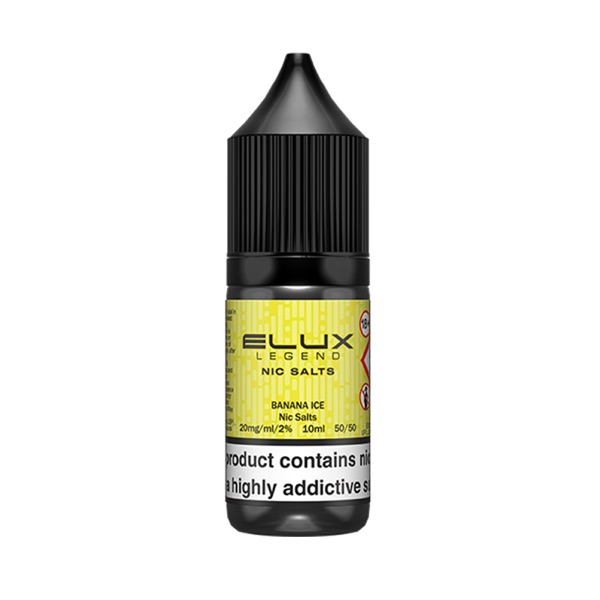
Another TPD rule that still applies in the UK is the 10ml bottle limit for nicotine-containing e-liquids. You cannot buy a 30 ml or 60 ml bottle of nicotine e-liquid from a UK retailer. The rule only covers bottles that contain nicotine. Shortfills (which come in larger bottles with no nicotine, meant to have a nicotine shot added later) are not affected, because at the point of sale they contain zero nicotine. If you prefer a bigger bottle and are happy to add your own nicotine, a shortfill is the legal way to do it. But if you want a ready-to-vape liquid with nicotine, expect it to come in a 10ml bottle.
Child-Resistant Packaging and Warning Labels
Every nicotine e-liquid sold in the UK must be in child-resistant packaging. That usually means a bottle with a tamper-evident seal and a cap that requires a specific pressing and turning action to open. The packaging also has to carry a warning label that states "This product contains nicotine which is a highly addictive substance." The label must be clear, in English, and impossible to remove without damaging the bottle. These requirements are not optional. If you receive a bottle that lacks a child-resistant cap or the required warning, the product has not been notified correctly and may not be safe. Do not vape it, and report the seller to your local trading standards office.
Product Notification: What It Means for You
Every e-liquid brand that sells in the UK must register each of its products with the Medicines and Healthcare products Regulatory Agency (MHRA). This process, called product notification, involves submitting test results on ingredients, emissions, and toxicology. If a brand has not gone through notification, it cannot legally sell in the UK. For the consumer, this means you can check whether a product is legitimate by looking up its notification number on the MHRA website. Most reputable brands display this number on their packaging or their website. If you cannot find it, that is a major warning sign. The notification system exists to keep unsafe products off the market, and it works best when buyers know to look for it.
Advertising Rules: What Brands Can and Cannot Say
Advertising for nicotine e-liquids in the UK is tightly controlled. Brands cannot make health claims, compare their products to tobacco, or target under-18s. They also cannot advertise on most social media platforms or in public spaces like bus shelters and billboards. What this means for you as a buyer is that you will see a lot less hype and a lot more factual information on legitimate brand websites. If a brand makes bold claims about health benefits or uses cartoon characters, it is either ignoring the rules or operating outside the UK market. Stick with brands that keep their marketing clear, factual, and adult-oriented.
Nic Salts vs Freebase: What the Rules Mean for Your Choice
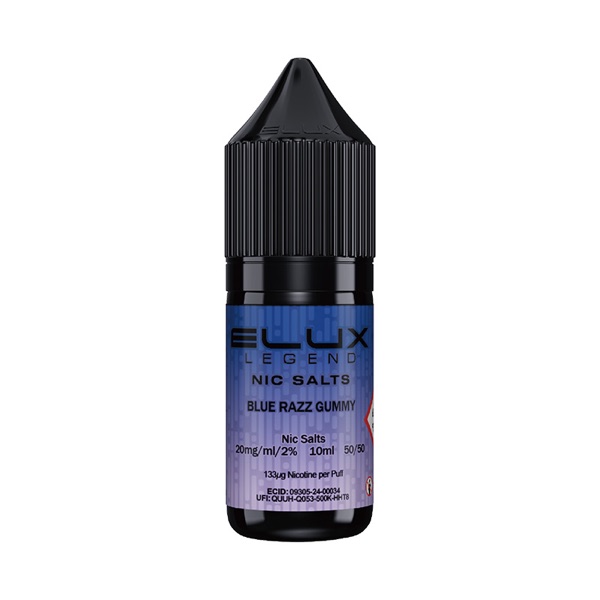
The regulations do not distinguish between nicotine salts and freebase nicotine; both fall under the same limits. But the practical difference matters when you choose a product. Nic salts use a form of nicotine that is absorbed more quickly and feels smoother at higher strengths, which is why they are popular in pod systems and low-wattage devices. Freebase nicotine is harsher at high strengths and works better in sub-ohm tanks. Since the legal limit is 20 mg, nic salts give you a stronger throat hit at that limit, while freebase at 20 mg can be quite harsh. When you read nic salt reviews, you will notice that vapers often talk about the balance between smoothness and strength. That balance is exactly what the 20 mg limit interacts with, so understanding it helps you choose the right product for your device and your nicotine needs.
Checking the Ingredients List
UK law requires e-liquid manufacturers to list the ingredients on the label or on a leaflet inside the packaging. The main components are propylene glycol (PG), vegetable glycerin (VG), nicotine, and flavourings. The ratio of PG to VG affects the vapour production and throat hit. A high VG liquid (70% or more) produces thick clouds and is best for sub-ohm vaping. A high PG liquid (50% or more) gives a stronger throat hit and carries flavour better, but it can be harsher on the throat. Check the label for the PG/VG ratio, and make sure it matches your device. Some tanks and coils work best with a specific ratio, and using the wrong one can lead to dry hits or leaking.
Price Comparisons: What to Watch For
Price varies a lot between brands and retailers, but there are some general rules. A 10ml bottle of nicotine e-liquid typically costs between £3 and £5 from most UK vendors. Shortfills in 50ml or 100ml sizes usually range from £10 to £20, plus the cost of a nicotine shot. If a price seems too low, check the brand and the seller. Very cheap liquids may use lower quality ingredients or skip the product notification process. On the other hand, premium brands charge more but often use better flavourings and more consistent nicotine. The key is to compare the price per ml, and to factor in the cost of nicotine shots if you are buying shortfills. A good place to start is by looking at nic salt reviews and flavour ratings, because they give you a sense of what you are paying for in terms of taste and quality.
Consumer Safety: Your Rights and Responsibilities
Under UK consumer law, you have the right to a refund or replacement if the product you receive is faulty, not as described, or unsafe. E-liquids are classed as consumer goods, so the usual distance selling regulations apply to online purchases. That means you have 14 days to return a product for a refund, unless it has been opened. But in practice, most retailers will not accept returns on opened e-liquid for hygiene reasons, so check the returns policy before you buy. If you have a problem with a product, contact the seller first. If they do not resolve it, you can escalate to trading standards. The rules are there to protect you, but they work best when you know what to look for and what to do if something goes wrong.
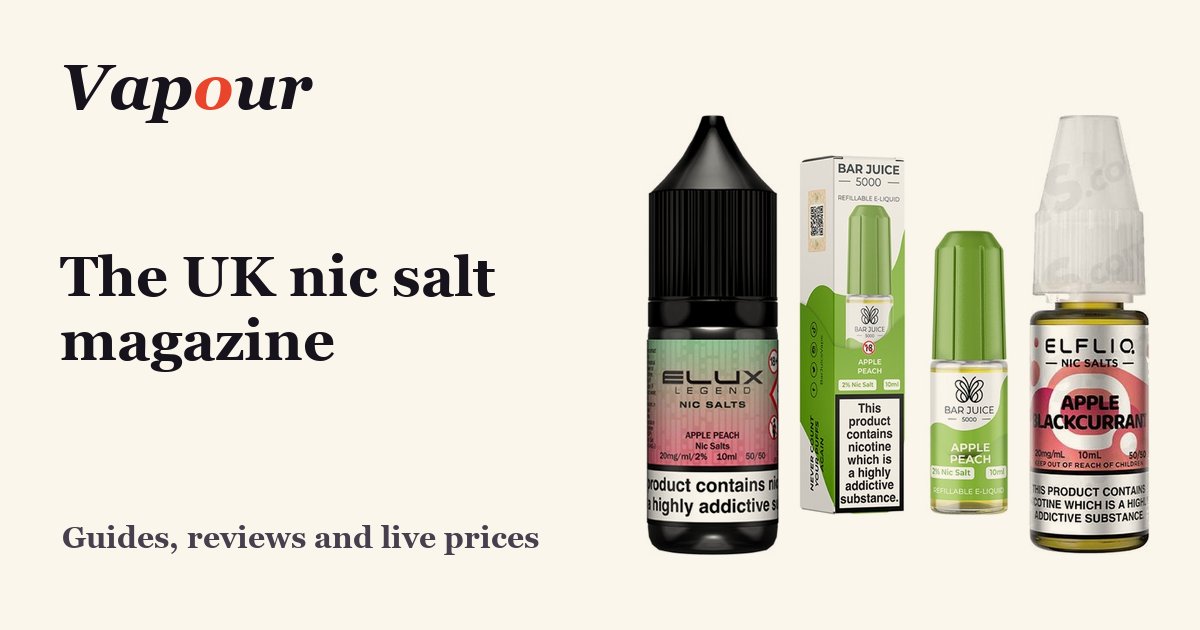
Before you buy, take a moment to run through these checks. Confirm the seller is UK-based and follows the age verification rules. Check the nicotine strength is within the legal limit and that the bottle size is 10ml or less unless it is a shortfill. Look for child-resistant packaging and the required warning label. Find the product notification number, or at least confirm the brand is registered. And make sure the PG/VG ratio suits your device. These steps take very little time, and they can save you from buying something that is illegal, unsafe, or simply not right for your vaping style. The UK has one of the most regulated e-liquid markets in the world, and that is a good thing for consumers who know how to use it.